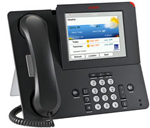
Cloud Phone System Installation

Transform Your Business Communication with Expert Cloud Phone System Installation

Is your business still relying on outdated phone systems that limit productivity and inflate costs? Our professional cloud phone system installation services help businesses transition to modern, flexible, and cost-effective communication solutions. As certified VoIP specialists serving Texas and businesses nationwide, we deliver seamless installations that empower your team to work from anywhere while maintaining crystal-clear call quality and advanced features.

Whether you’re a small startup or an established enterprise, our cloud-based phone solutions scale with your growth, eliminate expensive hardware investments, and integrate seamlessly with your existing business tools. We handle everything from initial consultation and system design to installation, training, and ongoing support—ensuring zero disruption to your daily operations.

Why Choose Cloud Phone Systems for Your Business?

Cost Savings That Impact Your Bottom Line

Traditional phone systems drain resources through expensive hardware, maintenance contracts, and per-line charges. Our cloud phone system installation eliminates these costs entirely. You’ll pay only for what you use with predictable monthly pricing, no maintenance fees, and free system updates. Businesses typically save 40-60% on communication costs within the first year alone.

Work From Anywhere Flexibility

Today’s workforce demands mobility. Cloud phone systems enable your team to make and receive business calls from desktop computers, smartphones, or tablets—whether they’re in the office, at home, or traveling. Your business number follows your employees everywhere, ensuring you never miss important calls while maintaining professional presence.

Enterprise Features Without Enterprise Costs

Access advanced capabilities previously available only to large corporations: auto-attendants, call routing, voicemail-to-email, call recording, video conferencing, and real-time analytics. Our cloud phone system installation includes all these features as standard, not costly add-ons.

Scalability for Growing Businesses

Adding new users takes minutes, not days or weeks. As your business expands, your phone system grows effortlessly. Whether you’re hiring seasonal staff, opening new locations, or downsizing, cloud systems adapt instantly without expensive equipment purchases or technician visits.

Key Features of Our Cloud Phone Systems

Advanced Call Management: Intelligent routing ensures calls reach the right person or department instantly. Set up time-based routing for business hours, customized hold music, call queuing, and overflow handling during peak times.

Unified Communications: Integrate voice calls, video conferencing, instant messaging, and presence indicators into one cohesive platform. Your team collaborates more effectively when all communication channels work together seamlessly.

Mobile Integration: Native smartphone apps transform personal devices into full-featured business phones. Make and receive calls using your business number, access voicemail, participate in conferences, and maintain complete call history—all from your mobile device.

Call Analytics and Reporting: Gain valuable insights into communication patterns with detailed analytics. Track call volume, wait times, missed calls, and individual performance metrics. Make data-driven decisions about staffing and customer service improvements.

Auto-Attendant and IVR: Create professional first impressions with automated greetings and self-service options. Callers navigate to appropriate departments without operator assistance, reducing workload while improving customer experience.

Voicemail-to-Email Transcription: Never miss important messages. Voicemails are automatically transcribed and delivered to your inbox, allowing quick review and response even during meetings or appointments.

CRM Integration: Connect your cloud phone system with Salesforce, HubSpot, Zoho, or other business applications. Automatically log calls, access customer information during conversations, and streamline workflows across platforms.

Disaster Recovery and Reliability: Cloud systems offer superior uptime compared to traditional phone lines. If power fails at your office, calls automatically route to mobile devices or backup locations, ensuring business continuity during emergencies.

Service Area

Primary Texas Markets:

  • Houston – Energy corridor, medical center, downtown, suburbs, and Greater Houston area
  • Dallas – Downtown, Uptown, Las Colinas, Plano, Frisco, Richardson, Irving, North Texas region
  • Austin – Downtown, Domain, Tech Ridge, Round Rock, Cedar Park, Central Texas
  • San Antonio – Downtown, Stone Oak, Medical Center, Northwest, South Texas

Additional Texas Cities:

Fort Worth, Arlington, Corpus Christi, El Paso, Lubbock, Amarillo, Waco, Killeen, College Station, Tyler, Beaumont, McAllen, Brownsville, Laredo

Nationwide Service:

Multi-site projects across all 50 states with local installation teams in major metropolitan areas. Consistent quality and standardized processes for national accounts and franchise organizations.

Frequently Asked Questions (FAQs)

Cloud phone system installation costs vary based on your business size and requirements, but most businesses invest between $20-$45 per user monthly for service, plus one-time installation fees ranging from $500-$2,500. This typically includes system configuration, number porting, equipment setup, and staff training. Hardware costs depend on your choice of devices—basic desk phones start around $80-$150 per unit, while premium models with touchscreens cost $200-$400. However, many businesses opt for softphone applications that require no additional hardware, using existing computers and smartphones instead. The total investment is significantly lower than traditional PBX systems, which often require $10,000-$50,000 upfront for equipment and installation. With cloud phone systems, you eliminate maintenance contracts, costly upgrades, and per-line charges. Most Texas businesses and companies nationwide recover their installation investment within 6-12 months through reduced phone bills, eliminated maintenance costs, and improved productivity. We provide transparent, itemized quotes showing all costs upfront, so you can budget accurately without worrying about hidden fees or surprise charges down the road.

While structured cabling is a physical layer solution, a clean, organized, and properly installed system significantly enhances physical security. Poorly managed cabling creates single points of failure and makes it easier for unauthorized connections to be made. Our structured approach minimizes vulnerabilities, simplifies troubleshooting, and provides a clear pathway for network access control, supporting both your network and Security & Surveillance Systems.

Yes, you can absolutely keep your existing business phone numbers when switching to a cloud phone system through a process called number porting. We handle the entire porting process for local, toll-free, and vanity numbers, ensuring your customers continue reaching you at familiar phone numbers without any confusion. The porting process typically takes 7-14 business days to complete, depending on your current phone carrier and number type. During this transition period, we provide temporary cloud phone numbers so your new system operates fully while the official port processes in the background. Once porting completes, your original numbers seamlessly replace the temporary ones without any service interruption. You can port numbers from traditional landlines, existing VoIP providers, or even mobile carriers to your new cloud phone system. Businesses across Texas and nationwide successfully port hundreds of numbers during installation, including main business lines, department direct numbers, and individual employee extensions. The process requires minimal information from you—we simply need authorization to transfer numbers and details about your current service. In rare cases where numbers aren’t portable due to carrier restrictions or geographic limitations, we help you establish new local numbers in desired area codes and implement call forwarding from old numbers during a transition period, ensuring no missed calls during the changeover.

Cloud phone systems require reliable internet connectivity with minimum speeds of 100 kbps upload and download per concurrent call, though we recommend at least 1 Mbps per user for optimal performance. A small business with 10 employees making simultaneous calls should have internet service providing at least 10-15 Mbps dedicated bandwidth for phone traffic. Most modern business internet connections easily meet these requirements, as typical cable or fiber internet provides 100+ Mbps speeds. However, internet quality matters more than raw speed—stable connections with low latency (under 150ms) and minimal packet loss (under 1%) ensure crystal-clear call quality. We perform comprehensive bandwidth assessments during cloud phone system installation to verify your network can handle voice traffic without degradation. For businesses with limited bandwidth, we implement Quality of Service (QoS) settings that prioritize phone traffic over other internet usage, preventing video streaming or large file downloads from affecting call quality. If your current internet proves insufficient, we recommend appropriate upgrades before installation. Businesses across Texas generally have excellent internet infrastructure supporting cloud phone systems, while rural locations or areas with limited broadband may need dedicated internet circuits or backup connections. Our technicians test call quality extensively during installation, making network optimizations to ensure reliable performance. We also configure failover options routing calls to mobile devices if internet connectivity fails, maintaining business continuity even during network outages.

Cloud phone systems offer superior reliability during disruptions through built-in failover and redundancy features that traditional phone lines cannot match. When power outages occur at your office, cloud phone systems automatically route incoming calls to predetermined backup destinations—typically employee mobile phones, home offices, or alternative locations. This automatic failover happens instantly without caller awareness, ensuring customers reach your team regardless of local power situations. Most desk phones can operate using Power over Ethernet (PoE) connections backed by uninterruptible power supplies (UPS), providing several hours of continued operation during electrical outages. For extended outages, employees simply use the cloud phone system’s mobile app on their smartphones, making and receiving calls using your business number over cellular data networks. During internet disruptions at your primary location, calls similarly redirect to mobile devices or backup internet connections at other offices. Cloud phone providers maintain geographically distributed data centers with 99.99% uptime guarantees, meaning the cloud infrastructure remains operational even when your local internet fails. We configure comprehensive disaster recovery plans during cloud phone system installation, specifying exactly how calls route during various failure scenarios. Many Texas businesses experienced firsthand benefits during recent weather events when cloud systems kept them connected while traditional phone lines failed. For businesses requiring absolute maximum uptime, we recommend redundant internet connections from different providers, cellular backup connections, or hybrid systems maintaining basic analog lines for emergency use alongside primary cloud systems, ensuring communication continuity under any circumstances.

Get Started with Professional Cloud Phone System Installation

Ready to modernize your business communications? Our cloud phone system installation begins with a free, no-obligation consultation.